
Energy-Efficient Appliances: A Guide to Savings
Tue Sep 23 2025
- Appliances
When it comes to upgrading your home appliances, energy efficiency should be at the top of your priority list. Energy-efficient appliances don’t just help the planet; they can also help lower your utility bills, improve performance, and even extend the lifespan of your equipment.
In this guide, we’ll break down how energy-efficient appliances work, identify key features to look for, and explain how to select the best models for long-term savings.

What Are Energy-Efficient Appliances?
Energy-efficient appliances are designed to perform the same tasks as standard models while using less electricity, water, or gas. These units are designed to minimize waste, reduce emissions, and help homeowners lower their monthly energy costs.
Benefits of Energy-Efficient Appliances
Lower Utility Bills
Energy-efficient models reduce energy and water usage, directly impacting your monthly utility costs. For example, ENERGY STAR refrigerators use up to 15% less energy than non-certified models.
Better Performance
Modern energy-saving appliances often come with advanced features, such as smarter sensors, adaptive cycles, and improved insulation. These features boost reliability and performance while using fewer resources.
Environmental Impact
Reducing energy consumption lowers greenhouse gas emissions and helps conserve natural resources. Choosing energy-efficient models is a small but powerful step toward a more sustainable home.
Rebates & Tax Incentives
Many local utilities and government programs offer rebates or tax credits when you purchase energy-efficient appliances. Be sure to check current programs in your area.
What to Look for When Shopping ENERGY STAR Certification
Always check for an ENERGY STAR label. It’s a quick indicator of energy efficiency and environmental performance. Appliances that earn this certification meet or exceed strict efficiency criteria set by the U.S. Environmental Protection Agency (EPA).
You’ll find ENERGY STAR labels on a variety of major appliances, including refrigerators, dishwashers, washing machines, dryers, dehumidifiers, room air conditioners, and even smart thermostats. Some models even go above and beyond with "Most Efficient" recognition, indicating top performance in their category.
EnergyGuide Label
The yellow EnergyGuide label is another valuable tool. Found on most major appliances, this label shows the appliance's estimated yearly energy usage and operating cost. It allows shoppers to compare models side by side.
While all appliances with an ENERGY STAR rating will have an EnergyGuide label, some products, like ovens or certain specialty items, may not be required to display one. When present, look for a lower estimated cost and energy use relative to similar models as an indication of greater efficiency.
Smart Features
Many smart appliances enable you to monitor and control your energy use through mobile apps. Some even adjust operations based on off-peak utility rates. Below, we've detailed some unique features to look for, by appliance type, that help save on energy consumption.
Energy-Saving Tips by Appliance Type
Laundry Appliances
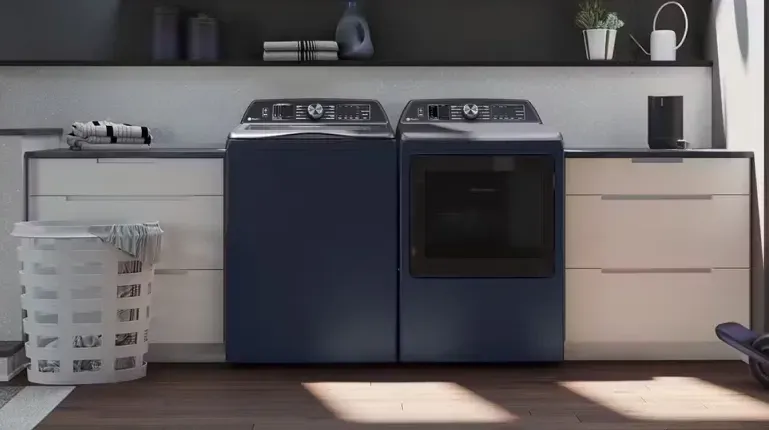
When shopping for a new washer and dryer, it's vital to consider energy consumption. Here are some key features to look for:
-
High-efficiency front-load washers use less water per load and spin clothes more effectively, reducing drying time and energy use.
-
Dryers with moisture sensors automatically stop when clothes are dry, preventing over-drying and saving electricity.
-
Heat pump dryers use advanced technology to recycle heat, using up to 50% less energy than conventional dryers.
Some specific models offer additional features designed to reduce energy use. Here are some key features that make a difference.
-
LG's TurboWash360° Technology cuts wash time while using less water and energy.
-
Whirlpool dryers with EcoBoost™ reduce energy use by lowering drying temperatures and extending cycle times. We highly recommend this front-load dryer with EcoBoost.
-
GE's SmartDispense™ washers automatically dispense the right amount of detergent, avoiding waste and optimizing cleaning efficiency.
Choosing machines with these advanced technologies not only conserves energy but also enhances your laundry experience with smarter, more efficient performance.
Refrigerators & Freezers
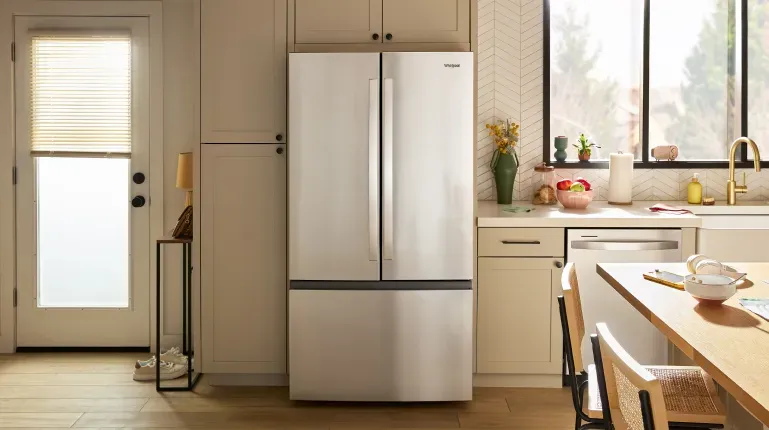
Energy-efficient refrigerators and freezers offer a range of features that reduce electricity consumption. Look for:
-
Adjustable thermostats and efficient compressors that regulate cooling with minimal energy.
-
LED interior lighting, which consumes less electricity and generates less heat.
-
Door alarms to alert users if the door is left open, preventing energy loss.
A few specific technologies to consider:
-
Whirlpool energy-efficient refrigerators with Accu-Chill™ technology quickly cool food while using less energy.
-
Samsung energy-efficient refrigerators with Twin Cooling Plus™ systems maintain high humidity in the fridge and dry air in the freezer, optimizing both compartments.
Pro Tip: To save even more, choose a refrigerator that is just big enough for what you need and place it away from heat sources like ovens or direct sunlight.
Visit our refrigerator buying guide for more detailed tips on choosing the right refrigerator for your home.
Ovens & Ranges
While ovens and ranges don't qualify for ENERGY STAR ratings, there are still energy-saving technologies to look for:
-
Induction ranges heat faster and are more energy efficient because they transfer energy directly to your cookware.
-
Convection ovens and ranges circulate hot air for more even cooking at lower temperatures, reducing overall cooking time.
-
Samsung Flex Duo™ ovens allow you to cook two dishes at different temperatures, reducing energy use.
-
LG ProBake Convection® ovens distribute heat evenly for faster, more efficient cooking.
Pro Tip: Using these appliances properly, such as keeping oven doors closed during cooking and using the right-sized burner, can also improve energy efficiency.
Dishwashers
Dishwashers have come a long way in energy and water efficiency. If you’re shopping for a new dishwasher, here’s what to look for:
-
ENERGY STAR-rated dishwashers use advanced sensors and targeted spray jets to clean dishes effectively with minimal water and power.
-
Eco wash or light cycle settings that reduce resource usage for lightly soiled dishes.
Innovative options include:
-
Bosch dishwashers with EcoSilence™ motors, which are not only quiet but also energy-efficient.
-
GE dishwasher models with AutoSense cycles, which automatically adjust water and energy usage based on the load.
Best practices include running full loads and air-drying dishes when possible to further reduce energy consumption.
Cooktops
Cooktops can also contribute to your home’s overall energy savings. If you’re shopping for a new cooktop, we recommend looking for the following features.
-
Induction cooktops are the most energy-efficient option, offering rapid heat transfer and precise temperature control.
-
Electric cooktops with smooth tops often have better heat retention than traditional coil models.
Energy-saving technologies to look for from specific brands include:
-
Frigidaire induction cooktops with Auto Sizing™ pan detection heat only where needed.
-
GE Profile models offer glide-touch controls and precise temperature settings for reduced waste.
Pro Tip: When using any cooktop, always match your pot size to the burner and cover pans with lids to trap heat and cook food faster.
Shop Smart, Save More at Cullen’s Home Center
Upgrading your appliances is a big decision, and energy efficiency makes it a smart one. Not only will you save money, but you’ll enjoy quieter operation, better features, and a reduced environmental footprint.
At Cullen’s Home Center, we carry a wide selection of energy-efficient appliances from trusted brands. Shop our selection of energy-efficient refrigerators, ovens, washers, dryers, dishwashers, ranges, cooktops, and more.
Our team is here to help you choose the best models for your space and your budget. Visit our appliance store in Alexandria, MN, or contact us today to schedule a consultation or explore rebates and delivery options.
Related readings from our blog:
FAQ: Common Questions About Energy-Efficient Appliances
Which appliances can be ENERGY STAR certified?
Products like washers, dryers, refrigerators, freezers, dishwashers, and air conditioners can be ENERGY STAR rated. Ovens, ranges, and cooktops currently cannot.
How can I tell if an appliance is energy efficient?
Look for the ENERGY STAR label or check the yellow EnergyGuide label, which provides estimated yearly energy consumption and cost.
Do smart appliances save energy?
Yes. Many smart appliances optimize performance based on usage patterns and allow remote monitoring, which can reduce unnecessary energy use.
Are ENERGY STAR appliances more expensive?
They may have a slightly higher upfront cost, but the energy savings over time often outweigh the initial investment.
Related Articles