
What Is an Induction Cooktop?
Thu Jul 03 2025
- Appliances
If you're exploring options for a modern, high-efficiency kitchen, you've probably come across induction cooktops. They're sleek, fast, and incredibly efficient, but how do they work, and how do they compare to traditional cooking methods?
In this guide, we'll explain everything you need to know about induction cooking, how it differs from electric and gas, and whether it's the right choice for your home.
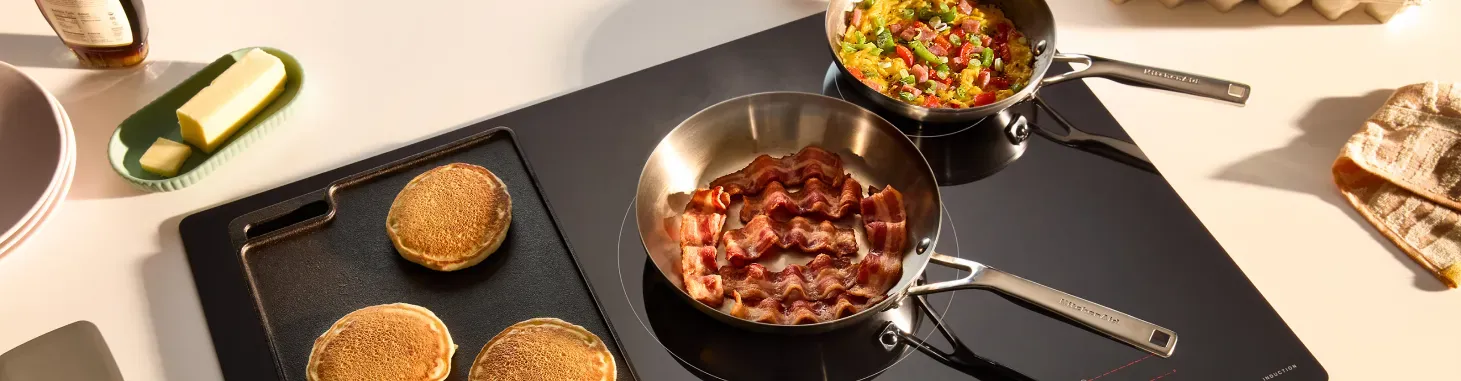
How Do Induction Cooktops Work?
Unlike traditional gas or electric cooktops that heat the burner and then transfer that heat to the cookware, induction cooktops use electromagnetic energy to heat your pots and pans directly. Here's how the process works:
-
An electromagnetic coil beneath the glass surface generates a magnetic field when the cooktop is turned on.
-
When a compatible pan (typically magnetic stainless steel or cast iron) is placed on the surface, the magnetic field induces electric currents in the pan.
-
These currents generate heat within the cookware itself, not the cooktop surface.
This makes induction cooking faster, more energy-efficient, and safer than conventional methods.
Key Benefits of Induction Cooktops
Induction cooktops are increasingly popular for both home cooks and culinary professionals. Here are some of the standout benefits.
-
Speed: Induction cooktops boil water and heat food significantly faster than electric or gas cooktops.
-
Precision: Enjoy instant temperature adjustments and precise control, perfect for delicate recipes.
-
Energy Efficiency: Because heat is transferred directly to the pan, there's minimal energy loss.
-
Safety: The cooktop stays cool to the touch (except under the pan), reducing burn risk. It also turns off automatically when cookware is removed.
-
Easy to Clean: The smooth glass surface makes spills easy to wipe away.
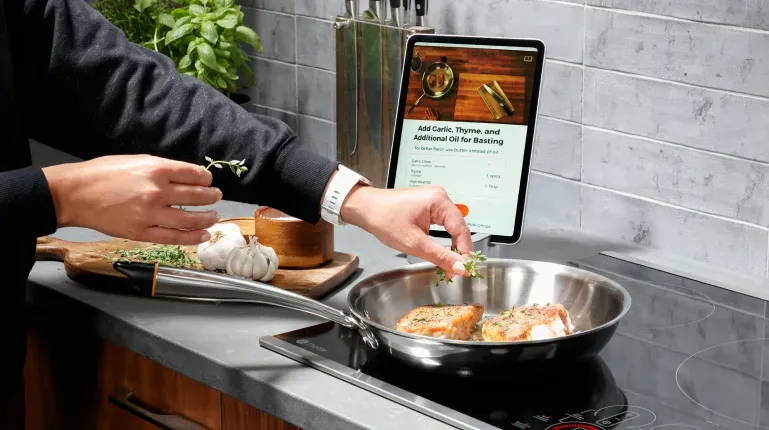
Induction vs Electric Cooktops
If you're comparing induction vs electric cooktops, here are a few key differences to help you decide:
-
Heating Method: Induction cooktops use electromagnetic energy to heat cookware directly, while electric cooktops rely on radiant heat from electric coils.
-
Speed: Induction cooktops heat up significantly faster than electric ones, reducing cooking time.
-
Temperature Control: Induction offers more exact temperature adjustments, whereas electric cooktops provide moderate precision.
-
Surface Heat: Induction surfaces stay cool to the touch (except under the pan), while electric cooktops become hot and stay hot longer after use.
-
Cookware Required: Induction cooktops require magnetic cookware (like cast iron or magnetic stainless steel), while electric cooktops work with any flat-bottomed cookware.
-
Efficiency: Induction is more energy efficient since it transfers heat directly to the cookware, reducing heat loss.
While electric cooktops have been the standard for decades, induction cooking offers significant improvements in both performance and energy use, making it an excellent upgrade for modern kitchens.
What Cookware Works with Induction?
One important consideration when switching to induction is your cookware. Only magnetic materials will work, so you'll need:
-
Cast iron
-
Magnetic stainless steel
-
Cookware specifically labeled as induction-compatible
To check your existing pans, simply place a magnet on the bottom. If it sticks firmly, it should work on an induction cooktop.
Design and Installation
Induction cooktops come in a variety of sizes and styles, from sleek 2-burner units to full 5-burner designs. Many feature touch controls, integrated timers, and even smart connectivity for modern kitchens.
Installation is similar to an electric cooktop and generally requires a dedicated 240V circuit. Professional installation is recommended to ensure optimal safety and performance.
Is an Induction Cooktop Right for You?
Induction cooking might be a great fit for your kitchen if you answer yes to any of the following questions.
-
You want faster cooking and more precise temperature control.
-
Energy efficiency and modern aesthetics matter to you.
-
You cook frequently and value safety features.
While the upfront cost is typically higher than electric models, many homeowners find the long-term energy savings and superior performance well worth it.
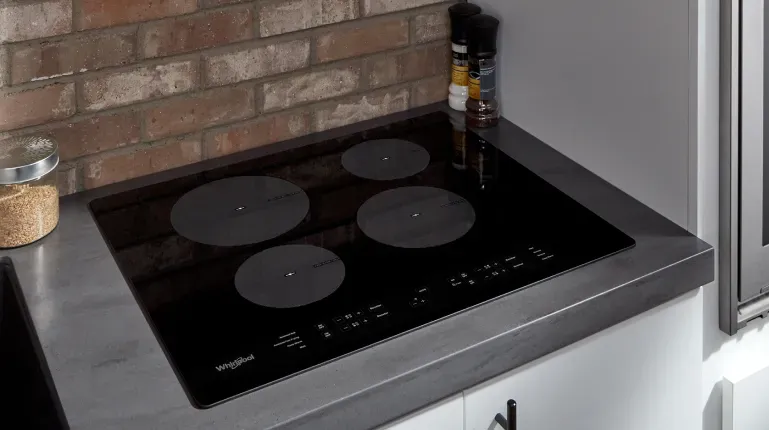
Shop Induction Cooktops at Cullen’s Home Center
At Cullen’s Home Center, we carry a wide selection of induction cooktops from trusted brands like Frigidaire, KitchenAid, and Bosch. Whether updating your kitchen or building a new home, our expert team can help you find the best appliance to fit your space and cooking style.
Visit our appliance store in Alexandria, MN, or contact us today to learn more about our cooktops, product availability, installation options, and more.
Related readings from our blog:
FAQ: Commonly Asked Questions About Induction Cooktops
Is induction cooking safe?
Yes. The cooktop itself stays relatively cool, and it only heats when compatible cookware is placed on the surface, reducing burn risks.
Can I install an induction cooktop myself?
It’s best to hire a licensed professional, as most induction cooktops require a dedicated 240V electrical circuit.
Do induction cooktops make noise?
Some models may emit a low humming or buzzing sound, especially on higher power settings, but it's generally minimal.
How durable are induction cooktops?
Induction cooktops are quite durable but can be scratched or cracked if heavy objects are dropped on the glass surface. Proper care will extend their lifespan.
Related Articles