
How to Plan a Kitchen Remodel: A Step-by-Step Guide
Fri May 16 2025
- Home Improvement
A kitchen remodel is one of the most exciting (and valuable) home upgrades you can take on, but it also requires planning and patience to get it right. Whether you're refreshing your space or doing a complete renovation, this step-by-step guide will help you confidently plan your dream kitchen remodel.
Step 1: Set Your Budget
Before you start picking out tile and appliances, determine how much you're comfortable spending. Factor in both your must-haves and a contingency for unexpected costs, typically 10–20% of your budget. Prioritize what matters most. Ask yourself things like:
-
Are you investing in new cabinets?
-
Do you want high-end appliances?
-
Are you doing a layout overhaul?
Tip: Break your budget down by category (appliances, cabinets, countertops, labor, etc.) to help track costs more easily.
Step 2: Define Your Goals
Also, think about your desired aesthetic. Are you drawn to a sleek, modern look with built-in or panel-ready appliances? Or do you prefer a more traditional setup with freestanding options? Your design preferences will influence everything from appliance style to cabinet layout and finish choices.
Questions to consider:
-
Do you want an open concept layout?
-
Is more counter space or seating a priority?
-
Will you need to rewire or relocate plumbing?
Once you’ve defined your goals, take time to outline the scope of your remodel. Are you doing a light refresh with cosmetic updates, or are you removing walls and changing the layout? Clarifying this early helps you communicate better with contractors and prioritize your budget.
Common remodel scopes include:
-
Cosmetic refresh (new paint, lighting, and fixtures)
-
Partial remodel (new cabinets and appliances in existing layout)
-
Full renovation (new layout, electrical, plumbing, and finishes)
This will also determine whether you need permits, inspections, or professional design help.
Step 3: Gather Inspiration
Create a mood board or save photos of kitchens you love. Pay attention to color schemes, layouts, lighting, and materials. A visual direction will help you (and your designer or contractor) stay aligned throughout the project.
Want design inspiration and ideas for a sleek, updated space? Check out our blog on How to Build a Modern Kitchen.
Tip: Don’t just focus on looks, note what you like about functionality too, like built-in storage or double ovens.
Step 4: Measure Your Space
Accurate measurements are key to planning. Measure walls, doorways, ceiling height, and window locations. When shopping for appliances or working with a designer, you'll need this information to map out your kitchen layout.
Don’t forget to consider how far appliance doors will open. Ensure there's enough space to walk around the dishwasher if the door is open or access the refrigerator without blocking key pathways.
Helpful to note: Ceiling height can affect cabinet choice, and wall space matters when planning where appliances and outlets will go.
Step 5: Choose a Layout
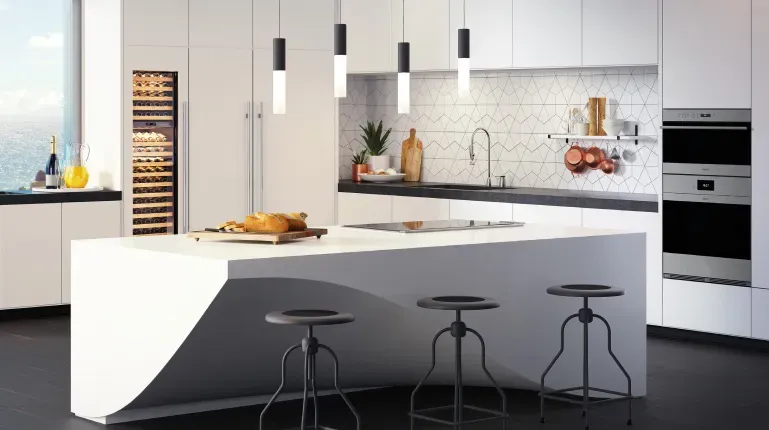
Whether working within your current footprint or planning to expand, choose a layout that suits your lifestyle. Standard options include galley, L-shaped, U-shaped, and open concept with an island.
Need help? At Cullen’s Home Center, we can assist you in planning your layout and choosing the best appliances and finishes to fit.
Step 6: Select Materials and Finishes
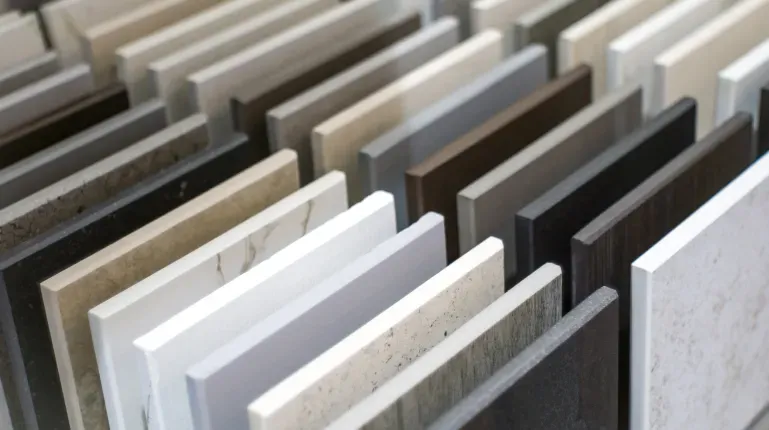
From cabinets and countertops to backsplashes and flooring, now’s the time to choose the materials that reflect your style and meet your durability needs. Be sure to consider:
-
Cabinet material and color
-
Countertop surfaces (quartz, granite, laminate, etc.)
-
Flooring (hardwood, tile, LVP)
-
Backsplash style
-
Hardware finishes
If you have kids or a busy household, appliances with fingerprint-resistant finishes can help keep your kitchen looking cleaner with less effort.
Step 7: Choose Your Appliances
Choosing Which Appliances to Upgrade
Appliances are a major part of both your kitchen's design and performance. Before selecting new appliances, consider which ones you plan to keep and which you’ll upgrade. This decision will influence your kitchen layout and could require changes to electrical or plumbing systems.
If you're not replacing all of your appliances, prioritize the ones with the most significant impact on functionality, efficiency, and design. Here are a few to consider upgrading first.
-
Refrigerator: Refrigerators are often a centerpiece in the kitchen; newer models offer better organization, energy savings, and modern features like door-in-door storage or smart connectivity.
-
Range or Oven: If you cook frequently, upgrading to a convection or dual-fuel range can improve performance and versatility.
-
Dishwasher: Modern dishwashers are quieter, more efficient, and offer better cleaning with flexible rack systems.
-
Range Hood: A stylish, high-performance hood improves ventilation and serves as a design focal point.
Upgrading these key pieces can make your kitchen feel brand new, even if some of your existing appliances stay in place.
Selecting The Right Models & Features to Consider
Ensure the chosen appliances align with your lifestyle, cooking habits, and budget. Whether you're designing a chef-worthy kitchen or just want a reliable everyday function, a wide range of features and finishes are available.
Think about the features that matter most to you. Here are some innovative appliance features to consider:
-
Wi-Fi-enabled controls on smart refrigerators or smart ovens let you monitor and adjust settings from your smartphone.
-
Tap-to-view refrigerator doors like LG’s InstaView® refrigerator models allow you to see inside without opening the door.
-
Touch-to-open doors, as featured in this Thermador wine cooler, offer a sleek, handle-free look and convenience.
-
Built-in air fry ovens that make it easy to cook crispy favorites with less oil.
-
Induction cooktops heat faster and more efficiently than traditional methods.
-
Dishwashers with third-level racks for better organization and extra capacity.
These modern features can elevate your kitchen's functionality and make everyday cooking more enjoyable.
Need guidance? Our experts at Cullen’s Home Center can help you compare top brands and find the perfect match for your budget and cooking style. Our experts at Cullen’s Home Center can help you compare top brands and find the ideal match for your budget and cooking style.
Step 8: Hire Professionals (If Needed)
Depending on the size of your remodel, you may need contractors, designers, electricians, or plumbers. Working with experienced professionals will save time and reduce stress if you're doing a complete renovation.
Tip: Get multiple quotes and check references before hiring.
Step 9: Create a Timeline
Coordinate with contractors and suppliers to develop a realistic remodel timeline, but be prepared for unexpected delays. Order your appliances and materials, and schedule major appliance deliveries around key milestones like cabinet installation or flooring.
Step 10: Prepare for Installation
Before the demo begins, clear out your existing kitchen and set up a temporary cooking area elsewhere in your home. Keep essentials handy and plan meals with limited kitchen access in mind.

Ready to Remodel? We’re Here to Help.
At Cullen’s Home Center, we carry everything you need for your kitchen remodel, from appliances to countertops, and our team is here to support you every step of the way. Visit our appliance store in Alexandria, MN, or contact us today for guidance and product recommendations.
Looking for design inspiration? Read our blog on How to Build a Modern Kitchen to explore trending finishes, layouts, and smart upgrades that pair perfectly with your remodel plan.
Related readings from our blog:
FAQ: Commonly Asked Questions About Kitchen Remodels
1. How long does a kitchen remodel usually take?
A typical kitchen remodel can take anywhere from 6 to 12 weeks or more, depending on the project size, material availability, and contractor schedules.
2. What is the most expensive part of a kitchen remodel?
Cabinetry tends to be the most significant expense, followed by countertops and appliances. Custom work, layout changes, and plumbing or electrical upgrades can add to costs.
3. Do I need a designer for my kitchen remodel?
Not always, but working with a designer can help you make more efficient use of space, avoid costly mistakes, and bring your vision to life, especially for larger renovations.
4. Should I upgrade all my appliances at once?
It depends on your budget and goals. If you're changing the layout or aiming for a cohesive look, upgrading all at once can simplify installation and ensure consistent style.
Related Articles