
How to Clean Glass Cooktops
Tue Nov 04 2025
- Appliances
Cooktops have become a popular choice for modern kitchens thanks to their sleek appearance, smooth surface, and easy-to-use design. But keeping glass cooktops looking beautiful requires the right cleaning techniques, and knowing what not to do is just as important as knowing what works.
If you’ve ever struggled with burnt-on spills, streaks, or scratches, you’re not alone. In this guide, the experts at Cullen's Home Center share simple, effective ways to clean glass cooktops and keep them looking like new. Plus, we’ll help you decide when it might be time to replace your cooktop with a new model that fits your cooking style and kitchen design.
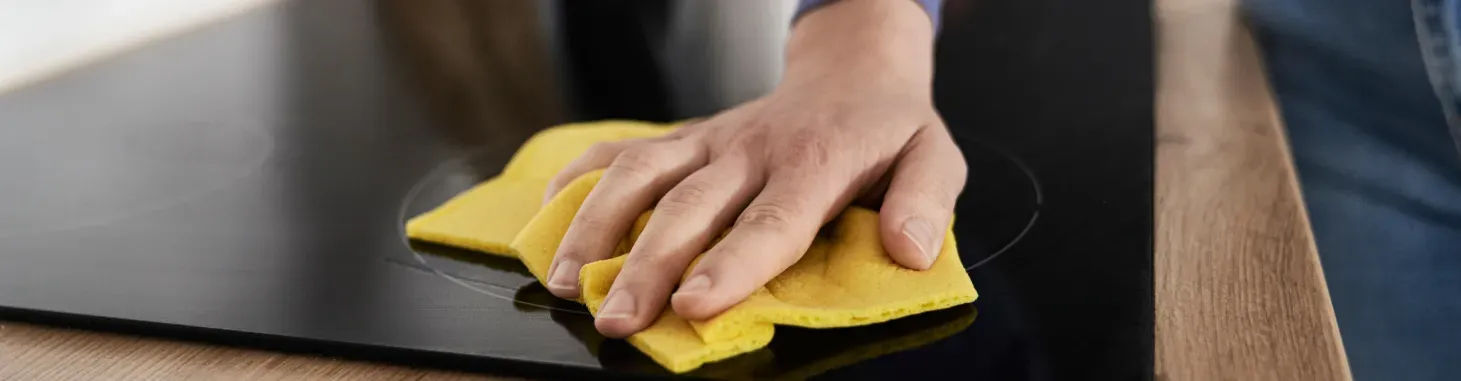
Why Proper Cleaning Matters for Glass Cooktops
Unlike coil or gas surfaces, glass cooktops require a gentler touch. Using the wrong cleaning products or tools can cause scratches or dull spots that are hard to fix. Regular cleaning not only keeps your kitchen looking pristine but also improves heat transfer and cooking efficiency.
A dirty cooktop can also affect performance. Food residue can insulate burners, causing uneven heating. Keeping it clean helps preserve both the appearance and the lifespan of your appliance.
What You’ll Need to Clean a Glass Cooktop
Before you start, gather a few basic supplies. You likely already have most of them in your kitchen:
-
Microfiber cloths: soft and non-abrasive for gentle cleaning
-
Scraper: for carefully removing burnt-on residue
-
White vinegar: cuts through grease and removes streaks
-
Baking soda: acts as a gentle, natural abrasive
-
Cooktop cleaner (specifically for glass surfaces): polishes and protects
-
Spray bottle: for easy application of vinegar or cleaner
Avoid harsh sponges, steel wool, or powdered cleansers. These can permanently scratch your cooktop surface.

Step-by-Step Guide: How to Clean Glass Cooktops
1. Let the Cooktop Cool Completely
Before you start cleaning, make sure your cooktop is completely cool. Cleaning a hot surface can cause burns or create stubborn streaks.
2. Wipe Away Loose Debris
Use a dry microfiber cloth or paper towel to remove crumbs, dust, and loose particles. This helps prevent scratches when you move to deeper cleaning.
3. Apply a Vinegar Solution
Spray the surface with white vinegar. The vinegar breaks down grease and adds shine without leaving residue. Let it sit for a few minutes before wiping clean with a soft cloth.
4. Tackle Stubborn Burnt-On Spots
For tougher messes, sprinkle baking soda directly over the affected area, then spray vinegar on top. The mixture will fizz as it loosens food particles. Let it sit for 10-15 minutes, then gently scrub using circular motions with a damp cloth.
If residue remains, carefully use a scraper at a 45° angle to lift it off. Always move the blade in a single direction, never back and forth, to avoid scratches.
5. Rinse and Polish
After removing all debris, wipe the cooktop with a damp microfiber cloth to remove any remaining cleaner or baking soda. Finally, apply a few drops of a glass cooktop cleaner and buff with a clean, dry cloth to achieve a streak-free shine.
How to Remove Tough Stains or Burn Marks
Even with regular cleaning, stubborn stains can build up over time. Here’s how to handle them safely:
-
Sugar Spills: These should be cleaned immediately once the surface cools slightly. Sugar can permanently damage the glass if left too long.
-
Burn Marks: Apply a thick layer of baking soda paste and cover with a damp towel for 30 minutes. Wipe away and reapply vinegar for extra shine.
-
Mineral Deposits: Hard water can leave white streaks; vinegar is your best solution to dissolve these deposits naturally.

Tips to Keep Your Glass Cooktop Looking Like New
Maintaining your cooktop is as important as cleaning it. Here are a few long-term care tips from the experts at Cullen’s Home Center:
-
Use flat-bottomed cookware. Uneven pans can scratch or crack the surface.
-
Avoid dragging pots and pans. Always lift them instead of sliding.
-
Clean spills quickly. Especially sugary or acidic foods that can etch glass.
-
Use cookware with smooth bases. Avoid textured or warped bottoms.
-
Apply a protective polish. Specialized glass cooktop creams can create a thin protective layer to resist stains and scratches.
When to Consider Replacing Your Glass Cooktop
Even the best-maintained cooktop won’t last forever. You may want to consider replacing your unit if you notice:
-
Deep scratches or chips that affect heating
-
Uneven temperatures or hot spots
-
Burners not responding properly
-
Outdated style or controls
If you love cooking for family and friends, newer glass and induction cooktops offer faster heating, precise temperature control, and easy cleaning, all while maintaining that elegant, seamless look.
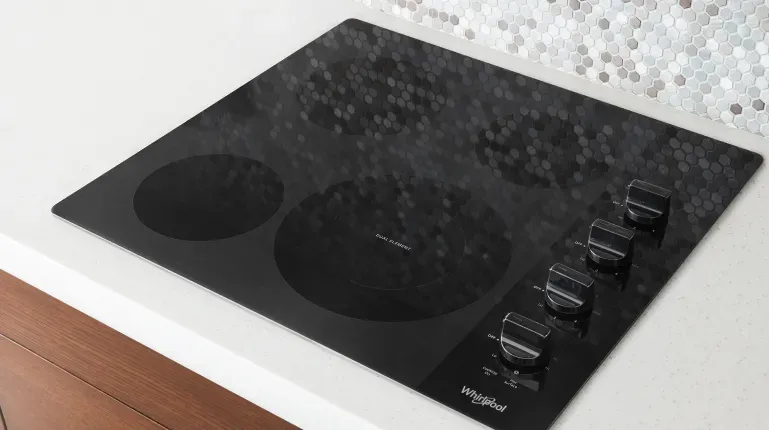
Shop Cooking Appliances at Cullen’s Home Center
Whether you’re maintaining your current glass cooktop or shopping for a new one, Cullen’s Home Center offers a wide selection of high-quality cooking appliances from the most trusted brands in the industry. Upgrading to a new cooktop not only enhances your kitchen’s look but also brings in advanced cooking technology. Explore modern cooktops, ranges, and wall ovens at Cullen’s to find a model that matches your lifestyle and design preferences.
From smooth glass electric cooktops to modern induction ranges and sleek ventilation hoods, Cullen’s has everything you need to create a kitchen that’s both functional and stylish.
Visit our showroom or browse online
Visit our appliance store in Alexandria, MN to discover appliances that make cooking and cleaning simpler than ever. Contact us today to learn more.
Related readings from our blog:
FAQs: How to Clean Glass Cooktops
How often should I clean my glass cooktop?
Ideally, you should wipe your glass cooktop after every use once it’s cool. For deeper cleaning, once or twice a week helps prevent buildup and stains.
Can I use glass cleaner on my cooktop?
Avoid household glass cleaners that contain ammonia. Instead, use a cleaner specifically formulated for glass cooktops to avoid streaking and residue.
What’s the best way to avoid scratches?
Always use soft cloths and non-abrasive cleaning pads. Avoid sliding pots and pans, and make sure the bottoms of your cookware are clean before cooking.
Why does my cooktop look cloudy after cleaning?
Cloudiness often comes from cleaner residue. Buff the surface with a dry microfiber cloth and a few drops of vinegar or cooktop polish to restore shine.
Can I use baking soda on my cooktop every time I clean?
Yes, baking soda is gentle enough for regular use and effective at removing mild stains. Just make sure to rinse thoroughly afterward to prevent dullness.
Related Articles