
How Insulation Impacts Home Comfort: Summer & Winter Benefits
Fri Nov 21 2025
- Home Improvement
When we think about home comfort, insulation often works behind the scenes, invisible but essential. But good insulation is very important for how your home feels. It also affects your energy costs and how well your heating and cooling systems work.
In this guide, you will learn how insulation affects home comfort all year. You will see the main signs that your insulation needs an upgrade. You will also learn how it works with other home systems like HVAC, blinds, and air quality tools.
By the end, you will understand why insulation is one of the best home improvements. You will also see how Cullen’s Home Center can help you create total comfort from the inside out.
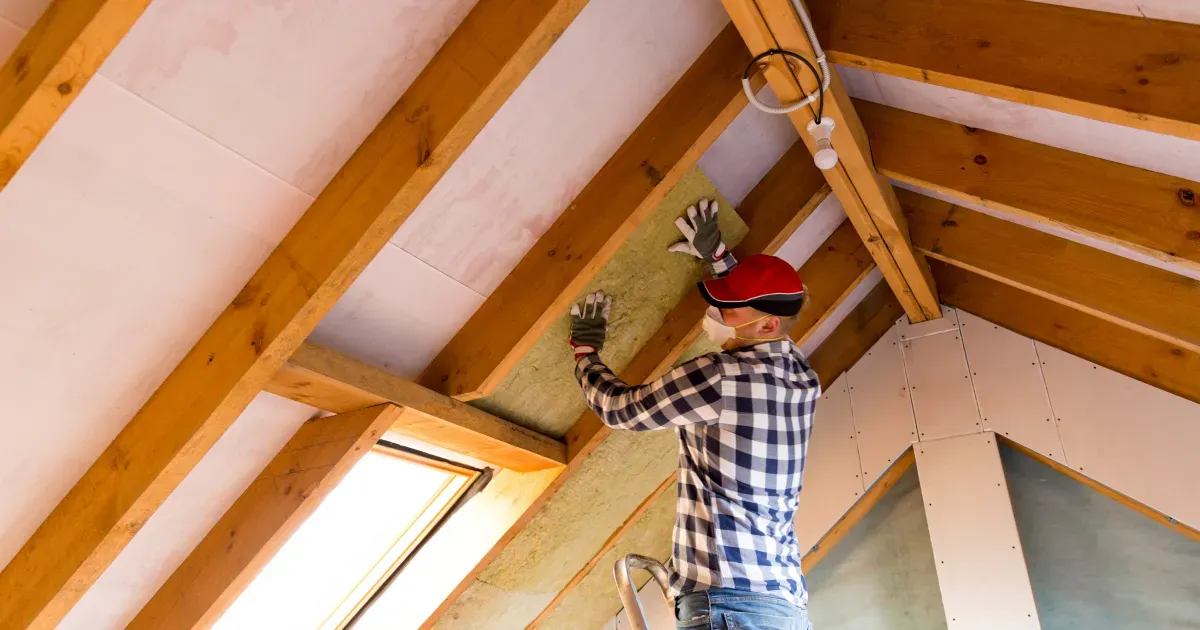
What Is Insulation and Why It Matters
Insulation is a material or combination of materials installed in building walls, attics, floors, and crawl spaces that slows heat transfer between indoors and outdoors.
-
In winter, insulation traps warmth inside your home, reducing heat loss.
-
In summer, it helps block external heat and keeps cool air in.
By reducing how often your heating or cooling systems cycle on and off, insulation lowers energy use and improves indoor comfort.
Insulation also helps seal gaps and cracks, which keeps out drafts, dust, and pollutants that can degrade indoor air quality.
Winter Benefits of Insulation
Although Florida doesn’t face harsh winters like some regions, cooler months still bring a need for thermal balance and energy efficiency. Here’s how good insulation helps year-round:
Keeps Warm Air Inside
Proper insulation minimizes heat loss through walls, roofs, windows, and floors, helping your heater work less and your living spaces stay cozy without huge energy spikes.
Reduces Drafts and Cold Spots
Even in milder climates, areas near windows, doors, or exterior walls can feel chillier. Insulation helps even out temperatures across different rooms.
Protects Home Structure
Poor insulation in attics or roof spaces can lead to condensation and moisture build-up, which can encourage mold growth or damage to rafters, sheathing, or drywall. Solid insulation helps keep structural components stable.
Supports HVAC Efficiency
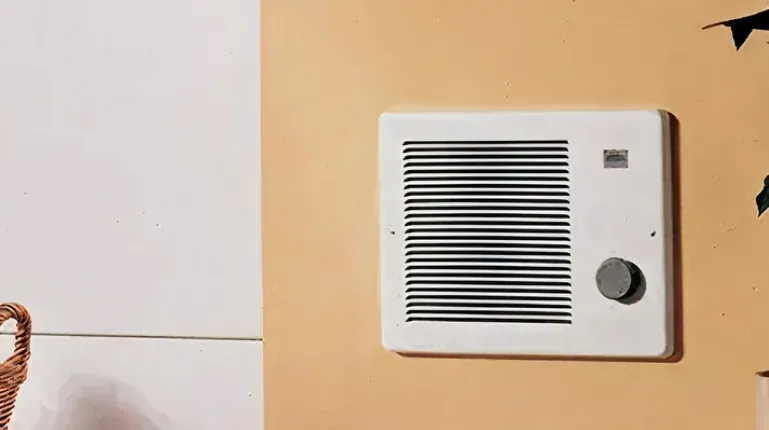
When insulation is effective, your heating system doesn’t have to work as hard. That reduces wear and tear and extends the lifespan of your heater. If you’re upgrading or maintaining your heater, browse heaters at Cullen’s Home Center for energy-efficient models.
Summer Benefits of Insulation
In a hot, humid climate, insulation becomes critical for maintaining comfort and energy savings during the long warm season.
Blocks Heat From Penetrating Indoors
Insulation resists heat flow through walls and ceilings, keeping the hot outdoor air from raising your indoor temperature too quickly.
Lowers Cooling Costs
Because your HVAC system doesn’t have to counteract as much heat gain, it runs more efficiently, which means lower electricity bills.
Reduces Strain on Air Conditioners
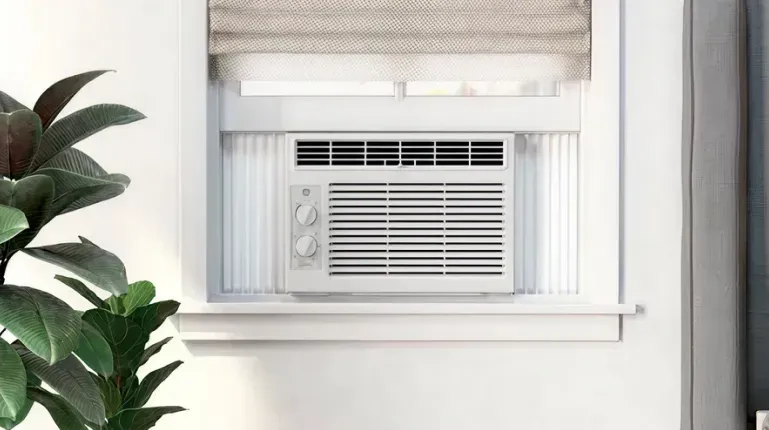
A well-insulated home creates a buffer zone, so your air conditioning unit runs less frequently and recovers faster. If you’re considering a new unit or upgrade, check our selection of air conditioners.
Helps Manage Indoor Humidity
Temperature swings often lead to condensation, which can worsen indoor humidity issues. Consistent insulation minimizes those fluctuations. To further control humidity, consider pairing insulation upgrades with a dehumidifier.
Year-Round Benefits of Proper Insulation
No matter the climate, insulation creates lasting comfort and efficiency.
Energy Efficiency
The U.S. Department of Energy estimates that proper insulation can cut heating and cooling costs by 10-15% or more annually.
Better Indoor Air Quality
By sealing leaks and minimizing drafts, insulation helps keep dust, pollen, and other airborne irritants outside where they belong. Pair insulation upgrades with an air purifier for even cleaner air.
Quieter Homes
Insulation doesn’t just control temperature, it also absorbs sound, creating a calmer, quieter environment.
Eco-Friendly Comfort
Reducing energy waste lowers your home’s carbon footprint and supports long-term sustainability. Combine quality insulation with energy-efficient appliances for a greener home.
Signs Your Insulation May Need an Upgrade
Wondering if the insulation in your home needs a refresh? Here are common symptoms to watch for:
-
Uneven temperatures: Rooms that feel noticeably warmer or cooler than adjacent ones
-
High energy bills: Your heating or cooling costs keep rising despite no change in usage
-
Persistent drafts: Even with windows and doors closed, you feel airflow or chills
-
Constant HVAC operation: Your system runs almost continuously and struggles to maintain set temperatures
-
Attic or crawl space extremes: These areas still feel very hot or cold even when nearby rooms are controlled
If you see any of these in your home, an insulation evaluation is a smart next step.
How Insulation Works Together With Other Home Systems
Insulation is powerful, but its benefits multiply when paired with complementary home solutions. Here are a few synergistic strategies:
Window Treatments & Blinds
Blinds and curtains add an extra layer of insulation and help regulate indoor temperatures. Explore blinds that complement your home’s style and efficiency goals.
Efficient Heating & Cooling Systems
Insulation reduces load on HVAC systems, so every upgrade to your heater, air conditioner, or ventilation pays off more. See our full line of appliances and home air control options: heaters, air conditioners, dehumidifiers, and air purifiers under our home air control category.
Smart Home Integration
Pairing thermostats and smart humidity control systems with well-insulated environments helps your home auto-adjust more intelligently, increasing comfort and efficiency.
Home Renovation Projects
Planning a remodel? When you open walls for kitchen and bath remodeling, it’s a great time to assess or upgrade insulation.
Exterior & Outdoor Considerations
Outdoor furniture areas, overhangs, and screened porches all influence heat gain. While not directly related to insulation, shading and proper design of outdoor spaces can reduce thermal load on your home.
How to Upgrade Your Insulation: A Step-by-Step Approach
Let’s walk through a simplified plan for evaluating and improving insulation in your home:
-
Assess Current Insulation: Use an energy audit or thermal imaging to locate under-insulated areas.
-
Start With the Biggest Energy Losers: Attics, crawl spaces, and exterior walls typically offer the biggest efficiency gains.
-
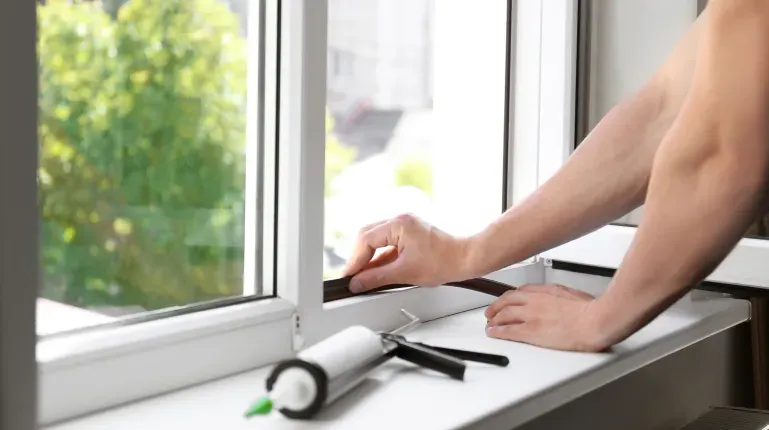
Seal Air Leaks First: Use caulk or foam to close gaps before adding insulation.
-
Choose the Right R-Value: Your climate determines how much insulation you need. R-values are a measure of heat resistance in a home. You’ll need higher R-values for cold climates, moderate for warmer regions.
-
Hire Professionals When Needed: Spray foam and large-scale retrofits are best left to experienced installers.
-
Maintain Ventilation: Balanced airflow helps manage moisture and keeps your insulation effective.
Enhance Your Home’s Comfort at Cullen’s Home Center
If your home feels too warm in summer or too cool in the milder months, or your energy bills seem high, an insulation upgrade might be the hidden gem solution. Combined with efficient heating, cooling, and air control appliances, you can transform your indoor environment.
At Cullen’s Home Center, we support entire home comfort solutions, from insulation recommendations to providing the gear that works hand-in-hand:
-
Explore our full home air control offerings, including heaters, air conditioners, dehumidifiers, air purifiers, and more.
-
Pair efficient appliances with modern insulation to ensure they deliver maximum performance.
-
Ask about integrating insulation during remodeling projects (kitchen, bath) or as part of home upgrades.
Ready to start? Contact our team or visit our showroom today
Ready to start? Visit our home store in Alexandria, MN for an insulation assessment or to explore complementary systems for total home comfort. Contact us today to learn more.
Related readings from our blog:
FAQs: How Insulation Impacts Home Comfort
How does insulation improve home comfort?
Insulation keeps indoor temperatures stable by slowing the transfer of heat, helping your heating and cooling systems work more efficiently.
What type of insulation is best for my home?
It depends on your home’s layout and climate. Spray foam and blown-in insulation are great for sealing older homes, while fiberglass batts are common for new builds.
Can insulation help with humidity?
Yes, insulation helps reduce moisture buildup and prevents warm, humid air from condensing inside walls. Combine it with a dehumidifier for best results.
Will new insulation really lower my energy bills?
Definitely. Upgrading insulation can cut heating and cooling costs by 10-20% depending on your home’s condition and local climate.
When should I replace insulation?
If your home feels drafty, rooms vary widely in temperature, or your energy bills are high, it’s time for an insulation assessment.
Related Articles