
Gas, Electric, or Induction: What’s Best for Minnesota Homes?
Thu Jun 04 2026
- Appliances
For most Minnesota homeowners, there isn't a single "best" cooking technology. Gas ranges remain popular because they provide precise cooking control and can be a valuable asset during winter power outages. Electric ranges offer affordability and reliable baking performance, while induction delivers the fastest cooking speeds and highest energy efficiency. The right choice depends on your home's utility setup, local energy costs, cooking habits, and whether you're remodeling or replacing an existing appliance.
Whether you're building a new home, upgrading an aging range, or planning a kitchen remodel, one of the biggest decisions you'll face is choosing between gas, electric, and induction cooking.
Each cooking appliance technology has distinct advantages, and the best choice often depends on your home's utility setup, cooking preferences, energy goals, and remodeling plans. In Minnesota, where homeowners often balance efficiency, performance, and long-term value, understanding these differences is critical before investing in new cooking appliances.
If you're comparing options, Cullen's Home Center offers a wide selection of cooking appliances, including ranges, cooktops, and wall ovens designed to fit virtually every kitchen and cooking style.
Key Takeaways: Gas vs Electric vs Induction
-
Gas ranges offer instant flame control and are favored by many home cooks.
-
Electric ranges provide dependable performance and are often the most budget-friendly option.
-
Induction cooking delivers the fastest heating times and the highest energy efficiency.
-
Kitchen remodeling projects are the ideal time to evaluate cooking fuel options and utility requirements.
-
Your home's existing gas and electrical infrastructure may significantly influence your decision.
-
Minnesota homeowners often choose based on a combination of cooking preferences, efficiency goals, and installation costs.
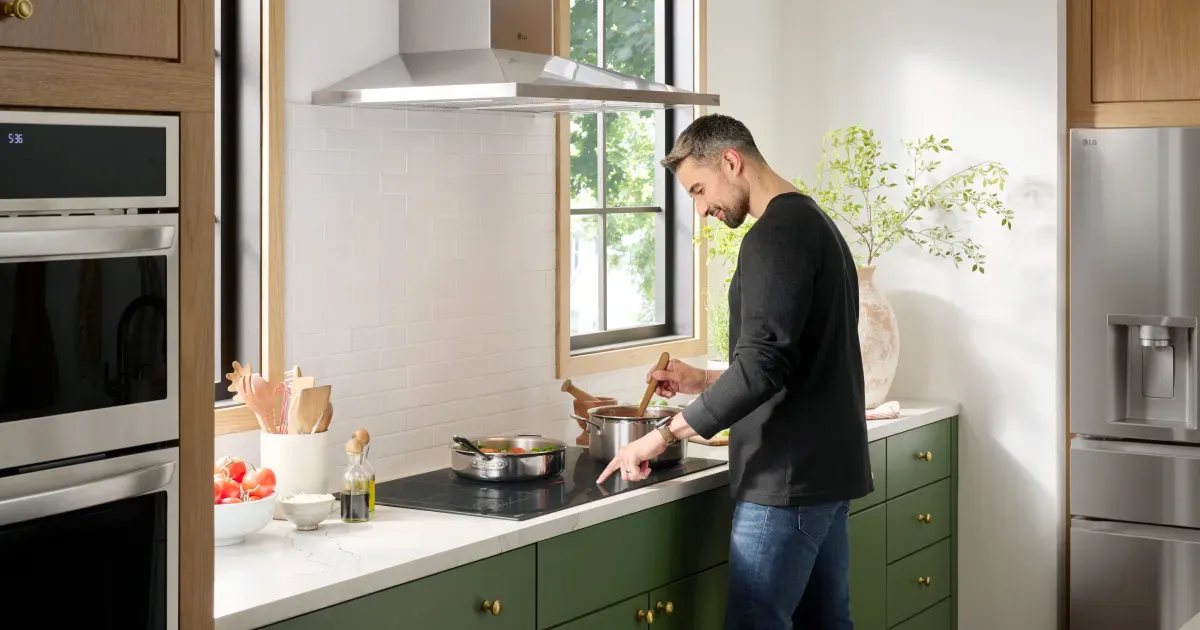
Understanding Your Cooking Fuel Options
Before comparing performance, it's helpful to understand how each cooking technology works.
Gas Cooking
Gas ranges use natural gas or propane to create an open flame beneath cookware.
Gas cooking has long been popular because it provides immediate heat adjustments and visual flame control.
Electric Cooking
Electric ranges generate heat through radiant elements located beneath smooth glass surfaces or exposed coils.
Electric cooking remains one of the most common solutions because of its affordability and widespread availability.
Induction Cooking
Induction cooktops use electromagnetic technology to directly heat cookware rather than heating the cooking surface itself.
Because heat is generated directly in the cookware, induction cooking offers exceptional speed and efficiency.
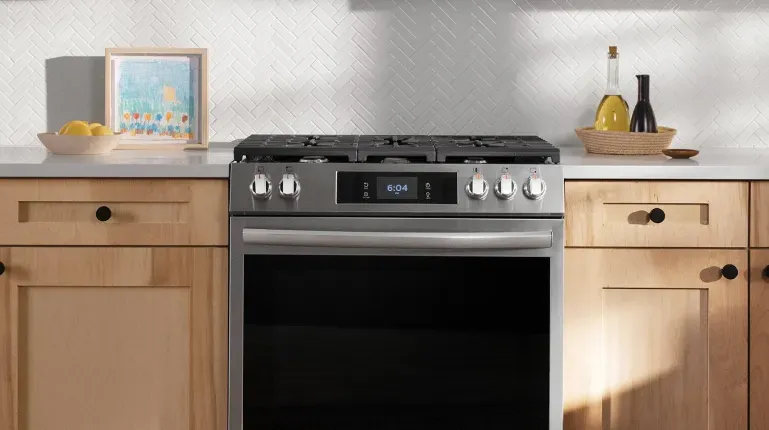
Benefits of Gas Ranges
Gas remains a favorite among serious home cooks and culinary enthusiasts.
Precise Temperature Control
Gas burners allow immediate adjustments. When you lower the flame, the heat output changes instantly.
This responsiveness makes gas particularly useful for:
-
Simmering sauces
-
Sautéing vegetables
-
Cooking delicate dishes
-
High-heat searing
Works During Some Power Outages
For many Minnesota homeowners, power outages aren't a theoretical concern, they're something they've experienced during ice storms, blizzards, and severe weather events. One of the biggest advantages of a gas range is that many models can still provide cooking capability when electrical service is interrupted.
If you've ever lost power during a winter storm, the ability to boil water, heat food, or prepare meals without relying entirely on electricity can be a significant benefit. While exact functionality varies by model, this resilience is one reason many Minnesota homeowners continue to prefer gas cooking.
Familiar Cooking Experience
Many homeowners simply prefer the visual feedback and cooking style that gas provides.
Potential Drawbacks of Gas
Gas installation may require:
-
Existing gas lines
-
Additional ventilation planning
-
Professional installation
For some remodeling projects, adding gas infrastructure can increase overall project costs.
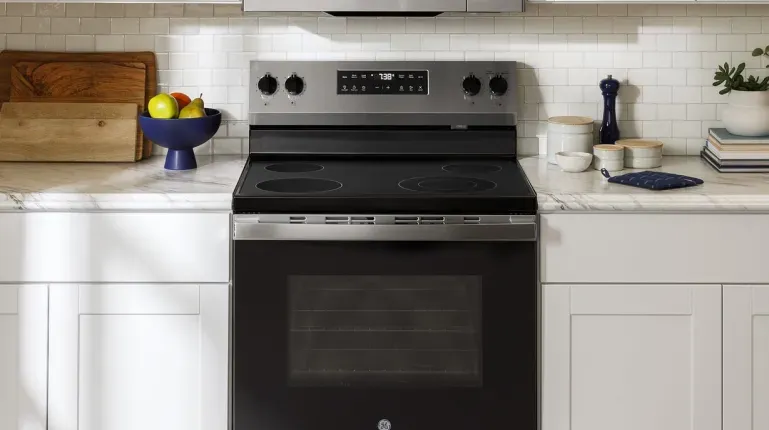
Benefits of Electric Ranges
Electric ranges continue to be one of the most popular cooking appliances in American homes.
Lower Initial Cost
Electric models are often among the most affordable cooking appliances available.
Simple Installation
Most homes already have electrical service available for electric ranges, making installation relatively straightforward.
Consistent Oven Performance
Electric ovens are known for producing steady, even heat that works well for baking.
Many homeowners planning a kitchen remodel choose electric wall ovens because of their consistent cooking results.
Potential Drawbacks of Electric
Traditional electric cooktops generally respond more slowly to temperature changes than gas or induction.
This can make precise heat control more challenging for certain cooking techniques.
Benefits of Induction
Induction has become one of the fastest-growing cooking technologies in modern kitchens.
Fastest Cooking Performance
Induction can boil water significantly faster than both gas and traditional electric cooking. For busy households, this speed can save meaningful time throughout the week.
Exceptional Energy Efficiency
Because induction transfers energy directly into cookware, very little heat is wasted. This makes induction one of the most energy-efficient cooking solutions available today.
Improved Kitchen Comfort Year-Round
Induction cooktops generate very little excess heat because energy is transferred directly into the cookware rather than the surrounding air. During Minnesota summers, this can make a noticeable difference by helping keep kitchens cooler and reducing the burden on your air conditioning system.
However, there is a trade-off. During Minnesota's long winters, some homeowners appreciate the extra warmth generated by gas cooking. While a range should never be considered a heating source, the ambient warmth from a gas flame can make a kitchen feel more comfortable on cold winter mornings. The best option depends on whether you prioritize maximum efficiency or the familiar warmth many homeowners enjoy during winter cooking.
Enhanced Safety
Since the cooking surface itself doesn't become as hot as traditional electric elements, induction reduces the risk of accidental burns.
Potential Drawbacks of Induction
The biggest consideration is cookware compatibility.
Induction requires magnetic cookware, including:
-
Cast iron
-
Magnetic stainless steel
-
Certain specialty induction-ready cookware
Some homeowners may need to replace existing pots and pans.
Which Cooking Option Is Best for Kitchen Remodels?
If you're planning a kitchen remodel, appliance selection should happen early in the design process.
Kitchen remodeling projects create opportunities to:
-
Upgrade utilities
-
Improve kitchen workflow
-
Add wall ovens
-
Transition to induction cooking
-
Install professional-style gas appliances
Choosing appliances early helps ensure cabinetry, ventilation, electrical systems, and gas lines are properly designed around your selections.
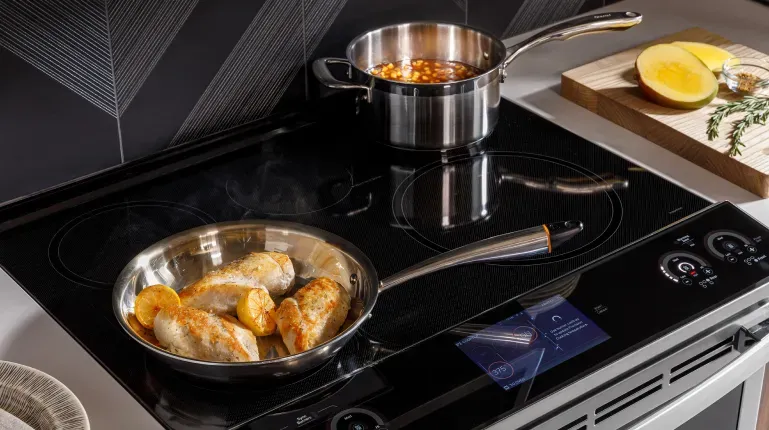
What Works Best for Minnesota Homes?
There is no single answer because every household has different priorities.
Choose gas if:
-
You enjoy hands-on cooking.
-
You prefer flame control.
-
Your home already has gas service.
Choose electric if:
-
You want affordability.
-
You primarily bake.
-
You prefer a familiar cooking experience.
Choose induction if:
-
Energy efficiency is a priority.
-
You want the fastest cooking performance.
-
Safety and easy cleanup matter.
Many newer Minnesota homes and remodeling projects are increasingly incorporating induction technology because of its efficiency and modern features.
Consider Your Local Utility Costs
Energy efficiency is only part of the equation. The long-term operating cost of a cooking appliance depends on your local utility rates and whether your home already has natural gas service.
For example, homeowners served by utilities such as Xcel Energy or CenterPoint Energy may find that the operating cost difference between gas, electric, and induction cooking is smaller than expected. Before making a decision, it's worth reviewing your current utility rates and discussing operating costs with your appliance specialist. A cooking technology that is most efficient on paper isn't always the least expensive to operate in every home.
Don't Forget About Cooktops and Wall Ovens
Many homeowners automatically focus on ranges, but cooktops and wall ovens can provide additional flexibility.
For homeowners undertaking larger kitchen remodels, separating the cooktop and oven can improve workflow and increase design flexibility.
Shop Cooking Appliances at Cullen's Home Center
Choosing between gas, electric, and induction isn't just about technology; it's about finding the solution that best fits your home, cooking habits, and future plans.
At Cullen's Home Center, our appliance specialists help Alexandria-area homeowners compare cooking appliances, understand installation requirements, and select the right products for their kitchens. Whether you're replacing an aging range or planning a complete remodel, our team can help you navigate your options with confidence.
At Cullen’s Home Center, our appliance experts can help you compare models, explore features, and find the perfect appliances for your home. Visit our home store in Alexandria, MN to explore personalized appliance options from top brands that best suit your needs. Contact us today to learn more.
Related readings from our blog:
FAQs: Gas, Electric, or Induction: What’s Best for Minnesota Homes?
Is induction cooking better than gas?
Induction cooking is generally faster and more energy-efficient than gas cooking. It transfers heat directly into cookware, reducing wasted energy and improving cooking speed. However, many cooks still prefer gas because of its visual flame control and responsiveness. The best choice depends on your cooking style and priorities.
Are electric ranges cheaper to install than gas ranges?
In many cases, yes. Most homes already have the electrical infrastructure necessary for an electric range, making installation simpler. Gas ranges may require new gas lines or ventilation upgrades depending on the home's setup. Installation costs can vary significantly based on the scope of the project.
What is the most energy-efficient cooking option?
Induction cooking is widely considered the most energy-efficient cooking technology available today. Because it heats cookware directly, very little energy is lost during the cooking process. This can help reduce overall energy consumption while providing excellent cooking performance. Many homeowners choose induction specifically for its efficiency benefits.
Can I switch from electric to gas during a kitchen remodel?
Yes, many homeowners switch from electric to gas during a remodel. However, the project may require new gas lines, ventilation considerations, and professional installation. Planning this transition early in the remodeling process helps avoid delays and unexpected costs. Consulting with appliance and remodeling professionals is highly recommended.
Which cooking appliance is best for Minnesota homeowners?
The best cooking appliance depends on your home's infrastructure, cooking habits, and efficiency goals. Gas is often preferred for cooking precision, electric offers affordability and reliable baking performance, and induction provides superior speed and efficiency. Many modern Minnesota remodels are increasingly incorporating induction technology. Working with local appliance experts can help you determine which option best fits your needs.
Related Articles