
Can You Microwave Styrofoam?
Mon Jul 20 2026
- Appliances
If you've ever wondered "can you microwave styrofoam?", the short answer is:
Only if the container is specifically labeled as microwave-safe. Otherwise, you should avoid microwaving styrofoam because it can melt, warp, or potentially allow chemicals to migrate into your food.
Not all foam containers are made the same. Some are designed to withstand microwave temperatures, while others are intended only for serving or transporting food. Knowing the difference can help protect both your meal and your microwave.
Whether you're reheating leftovers, warming up coffee, or preparing a quick lunch, understanding how microwave-safe containers work is an important part of kitchen safety.
At Cullen's Home Center, we believe getting the most from your kitchen appliances starts with knowing how to use them safely. This guide explains when styrofoam can and cannot go in the microwave, how to identify microwave-safe containers, and which alternatives are better for reheating food.
Key Takeaways: Can You Microwave Styrofoam
Before microwaving food in a foam container, remember these important points:
-
Most styrofoam containers should not be microwaved unless they're clearly labeled microwave-safe.
-
Microwave-safe labels indicate the container has been tested for microwave use under normal conditions.
-
Foam containers without microwave-safe labeling can melt, warp, or become damaged when exposed to heat.
-
Glass, ceramic, and microwave-safe plastic containers are generally safer choices for reheating food.
-
Always follow the manufacturer's care instructions for both your cookware and your microwave.
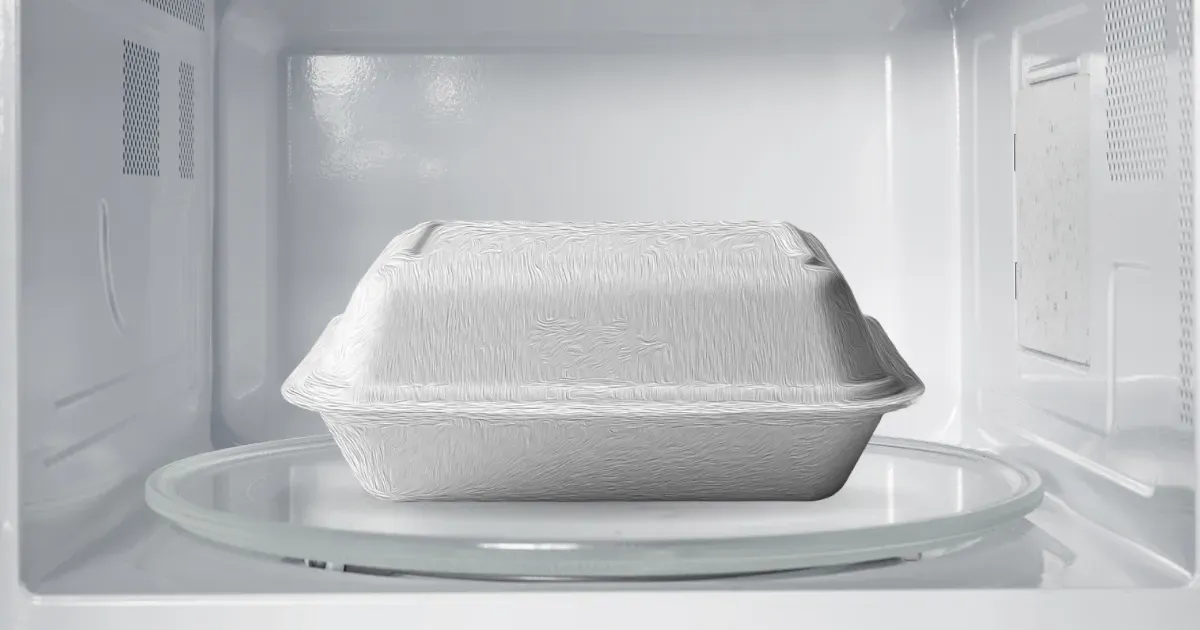
Is Styrofoam Safe to Microwave?
The answer depends on the type of foam container you're using.
Many people use the word "styrofoam" to describe any white foam food container, but not every foam product is designed for microwave use. Some disposable containers are manufactured specifically to withstand microwave temperatures, while others are intended only for cold or room-temperature foods.
If a container is clearly marked "Microwave Safe," it has been tested for microwave reheating under normal household conditions. If you don't see this label, it's best to transfer your food to another container before heating.
When in doubt, choose a microwave-safe glass or ceramic dish instead.
How to Tell if a Styrofoam Container Is Microwave Safe
The easiest way to determine whether a foam container is safe to microwave is to look for labeling from the manufacturer.
Check the bottom or side of the container for:
-
"Microwave Safe"
-
Microwave-safe symbol (wavy lines)
-
Heating instructions
-
Manufacturer recommendations
If no labeling is present, you should assume the container is not microwave-safe.
It's also important to remember that even microwave-safe foam containers are generally intended for reheating food, not for extended cooking or high-power heating cycles.
What Happens if You Microwave Unsafe Styrofoam?
Microwaving a foam container that isn't designed for microwave use can lead to several problems.
The Container May Melt
One of the most common issues is warping or melting. Because some foam materials aren't built to withstand microwave temperatures, they can lose their shape when exposed to heat.
This can create a mess inside your microwave and make it difficult to safely remove hot food.
Food May Heat Unevenly
Disposable foam containers don't always distribute heat evenly.
Hot spots may develop in certain areas while other portions remain cool, resulting in inconsistent reheating.
Uneven heating is especially common when reheating leftovers with varying moisture levels.
Chemical Migration Is a Concern
According to the U.S. Food & Drug Administration (FDA), food-contact materials are evaluated for their intended use. Containers that aren't designed for microwave heating may not perform safely under high temperatures.
Using containers according to their labeled instructions helps reduce the risk of unwanted substances migrating into food.
Safety Tip: If you're unsure whether a container is microwave-safe, transfer your food to glass or microwave-safe ceramic before reheating.
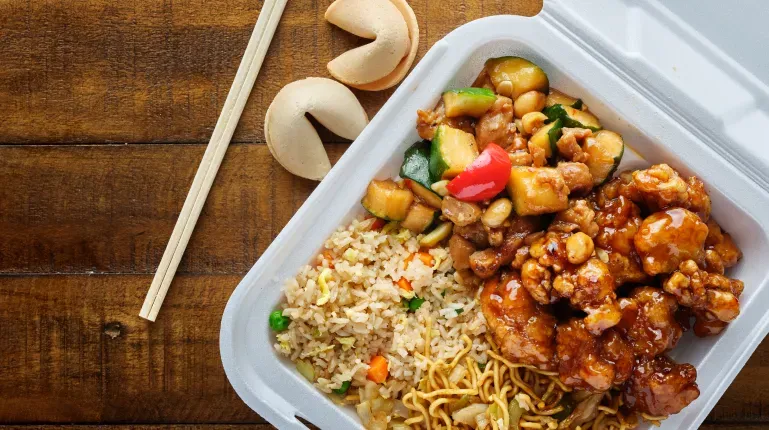
Understanding Microwave-Safe Labels and Symbols
One of the easiest ways to avoid damaging containers, or your food, is learning how to recognize microwave-safe labeling.
While symbols may vary by manufacturer, many microwave-safe containers display:
-
Microwave-safe wording
-
Wavy heat lines
-
Microwave icon
-
Heating instructions
Keep in mind that microwave-safe does not necessarily mean oven-safe or dishwasher-safe. Each symbol represents a different type of approved use.
Reading the manufacturer's care instructions before reheating food helps ensure you're using the container correctly.
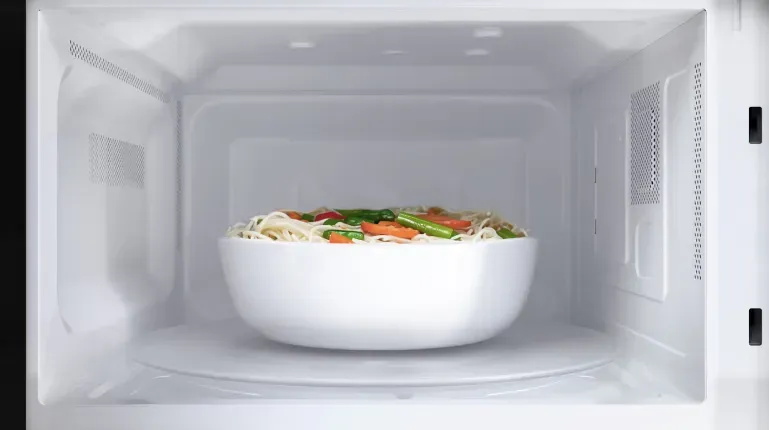
Safer Alternatives for Reheating Food
If you aren't sure whether a foam container is microwave-safe, it's always best to transfer your food into a container specifically designed for microwave use.
Some of the safest options include:
Glass Containers
Glass is one of the most durable and reliable materials for microwave reheating. It heats evenly, doesn't absorb food odors, and can often move directly from the refrigerator to the microwave.
Microwave-Safe Ceramic
Ceramic dishes labeled microwave-safe provide another excellent option for reheating leftovers, soups, and beverages.
Avoid ceramics with metallic trim, which should never be placed in the microwave.
Microwave-Safe Plastic
Many reusable food storage containers are designed specifically for microwave use.
Always confirm the manufacturer has labeled the container as microwave-safe before heating.
Tips for Safe Microwave Cooking
Using your microwave correctly helps improve cooking performance while extending the life of your appliance.
Keep these best practices in mind:
-
Always use microwave-safe cookware.
-
Cover food loosely to reduce splatter.
-
Stir food halfway through heating for more even temperatures.
-
Avoid overheating disposable containers.
-
Follow the manufacturer's heating instructions whenever possible.
These simple habits can improve food quality while helping you avoid unnecessary damage to containers or your microwave.
Get More From Your Kitchen Appliances with Cullen's Home Center
Understanding how to safely use your microwave is just one part of creating a more efficient kitchen. Whether you're replacing an aging microwave or upgrading your entire kitchen, choosing cooking appliances with intuitive controls, sensor cooking technology, and easy-to-clean interiors can make everyday meal preparation simpler.
At Cullen's Home Center, our appliance experts can help you compare appliance options from today's leading brands. We'll help you find the right appliance for your cooking habits, kitchen layout, and budget. We offer a catalog of cooking appliances including ranges, cooktops, wall ovens, range hoods, and more.
Visit our home store in Alexandria, MN to discover appliances designed to make cooking safer, easier, and more convenient.
Related readings from our blog:
FAQs: Can You Microwave Styrofoam?
Can a styrofoam cup go in the microwave?
Some styrofoam cups are labeled microwave-safe, but many are not. Before reheating coffee, soup, or other beverages, check the bottom of the cup for microwave-safe instructions or symbols. If you're unsure, transfer the contents to a microwave-safe mug or glass container to avoid damaging the cup or affecting your food.
How do I know if styrofoam is microwave-safe?
Look for wording such as "Microwave Safe," a microwave-safe symbol, or manufacturer heating instructions printed on the container. If you cannot find any labeling, it's safest to assume the container is not intended for microwave use. Following the manufacturer's guidance helps reduce the risk of melting or improper food heating.
What happens if you microwave styrofoam?
If the container isn't microwave-safe, it may warp, soften, or melt during heating. Some containers may also heat unevenly, which can affect food quality and create a mess inside your microwave. To avoid these issues, transfer food to microwave-safe glass, ceramic, or approved plastic containers before reheating.
Is glass better than styrofoam for microwaving?
Yes. Glass containers are generally one of the safest and most reliable choices for microwave cooking because they heat evenly, are durable, and don't absorb food odors or stains. As long as the glass is labeled microwave-safe and doesn't contain metallic accents, it's an excellent option for reheating meals.
Can I microwave takeout containers?
Some takeout containers are designed for microwave reheating, while others are not. Always check for microwave-safe labeling before placing any disposable container in the microwave. When no instructions are provided, transferring food to a microwave-safe dish is the safest choice.
Related Articles