
Energy-Efficient Blinds
Thu Mar 05 2026
- Window Treatments
Windows are one of the biggest sources of heat loss in the winter and heat gain in the summer. If your home feels drafty in January or overheated in July, your window coverings may be part of the problem. The good news? The right blinds and shades can significantly improve indoor comfort while helping reduce monthly utility bills.
In this guide, we’ll explain how energy-efficient blinds work, which styles offer the best insulation, and how to choose the right option for your space. If you’re exploring options, you can browse all available styles at Cullen’s Home Center’s blinds collection.
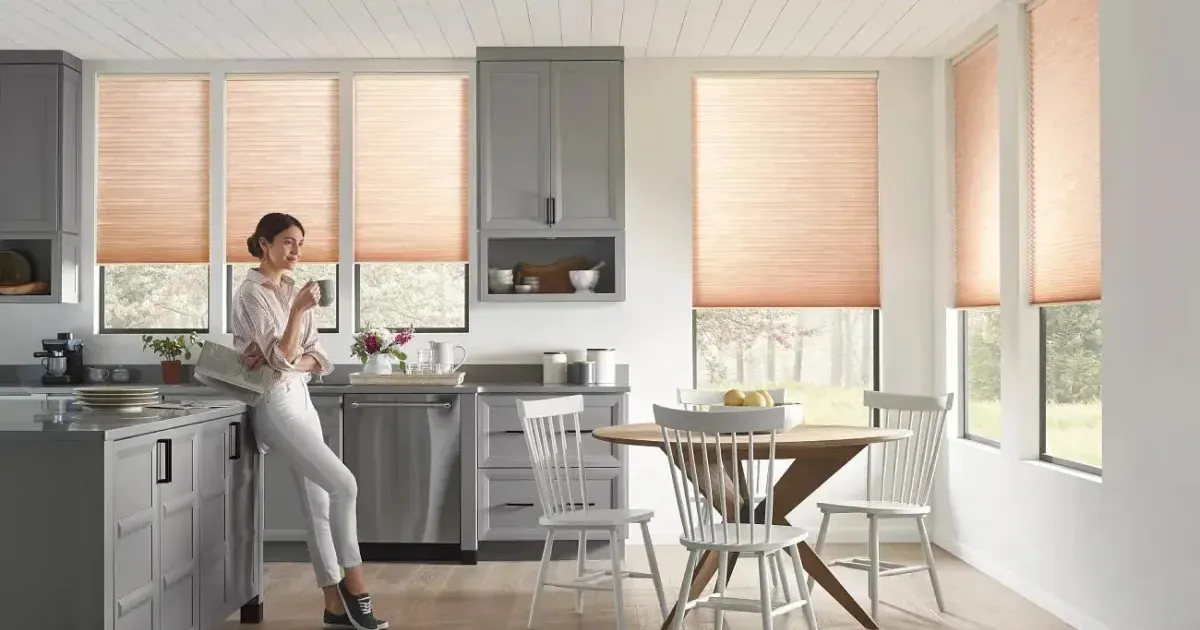
How Blinds Help Lower Heating and Cooling Costs
Windows account for a substantial percentage of a home’s energy transfer. In colder climates, especially, heat escapes through glass. In warmer months, sunlight streaming through windows raises indoor temperatures, forcing your HVAC system to work harder.
Energy-efficient blinds reduce this heat transfer in three main ways:
-
Insulation: Some blinds create a barrier between the window and the room.
-
Solar Control: Certain materials reflect or block UV rays.
-
Light Regulation: Adjustable designs help manage direct sunlight throughout the day.
By improving thermal performance at the window level, you can reduce strain on your heating and cooling systems, and lower energy bills over time.
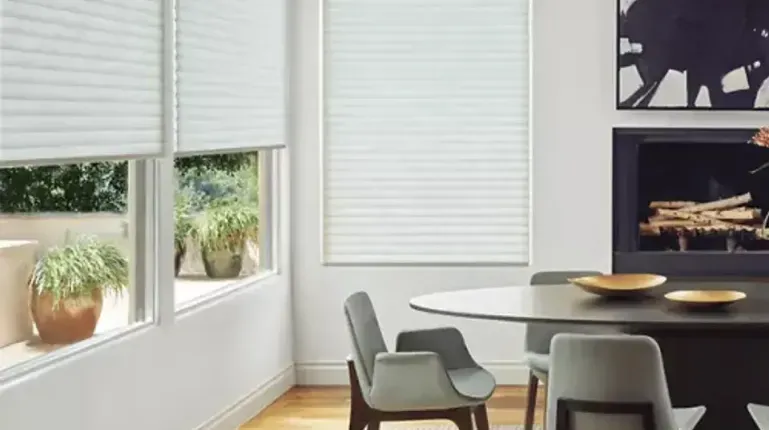
Best Energy-Efficient Blind Options
Not all blinds provide the same level of efficiency. Below are the most effective options for reducing energy consumption.
1. Cellular Shades (Honeycomb Shades)
Cellular shades are widely considered one of the most energy-efficient window treatments available. Their honeycomb-shaped pockets trap air, creating a layer of insulation between your window and living space.
Why they’re efficient:
-
Air pockets reduce heat transfer.
-
Available in single, double, or triple-cell construction.
-
Light-filtering and blackout options for additional control.
In winter, they help retain warmth inside your home. In summer, they reduce heat gain from direct sunlight.
Best for:
-
Bedrooms
-
Living rooms
-
Large windows
-
Homes with extreme seasonal temperatures
2. Solar Screen Shades
Solar shades are designed to block UV rays while preserving outdoor views. They’re especially effective in rooms with significant sun exposure.
Why they’re efficient:
-
Reduce glare without darkening the room completely.
-
Block a percentage of solar heat depending on fabric openness.
-
Protect furniture and flooring from UV fading.
Ideal for:
-
South- or west-facing windows
-
Sunrooms
-
Open-concept spaces with heavy sunlight
3. Faux Wood Blinds
Faux wood blinds combine durability with insulation benefits. The thicker slats provide better light blocking than thinner metal options.
Why they’re efficient:
-
Moisture-resistant (great for kitchens and bathrooms).
-
Offer more insulation than aluminum blinds.
-
Adjustable slats allow for precise light control.
They’re particularly effective when fully closed during peak sunlight hours.
4. Wood Blinds
Natural wood offers moderate insulation and a classic look. While not as insulating as cellular shades, wood blinds still help regulate indoor temperatures when properly installed.
Why they’re efficient:
-
Solid slats reduce drafts.
-
Provide good light and privacy control.
-
Ideal for adding warmth in colder months.
Best for:
-
Living rooms
-
Offices
-
Dining areas
5. Woven Wood Shades
Made from natural materials like bamboo and grasses, woven wood shades provide filtered light and moderate insulation.
Efficiency benefits:
-
Optional liners improve insulation.
-
Reduce glare while maintaining aesthetic appeal.
-
Work well layered with curtains for added thermal performance.
6. Roller Shades
Roller shades are simple yet effective when made with energy-efficient fabrics.
Why they’re efficient:
-
Available in blackout or thermal fabrics.
-
Reduce heat gain in summer.
-
Easy to operate and maintain.
They’re a clean, modern solution for controlling indoor temperature swings.
7. Sheer Shades
Sheer shades combine soft fabric with adjustable vanes, allowing you to manage light and privacy simultaneously.
Energy benefit:
-
Diffuse sunlight rather than allowing direct heat penetration.
-
Help reduce glare in bright rooms.
8. Vertical Blinds
Vertical blinds are especially useful for sliding doors and large windows.
Why they’re efficient:
-
Cover expansive glass areas.
-
Adjustable for solar control.
-
Available in thicker materials for better insulation.
9. Aluminum Blinds
While not as insulating as cellular shades, aluminum blinds can reflect sunlight effectively when closed.
Best use case:
-
Offices
-
Utility rooms
-
Budget-friendly energy management
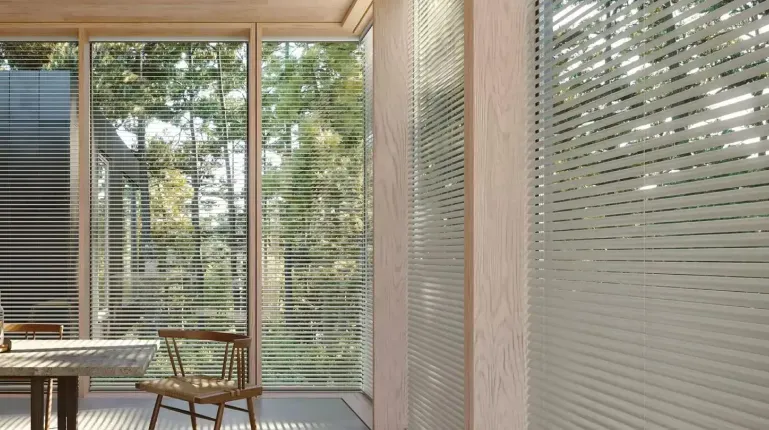
Additional Ways to Maximize Energy Savings
Choosing the right blinds is just one step. To get the most energy efficiency:
-
Keep blinds closed during peak summer sunlight.
-
Open blinds during winter daylight hours to allow passive solar heating.
-
Consider layering shades with curtains for extra insulation.
-
Ensure professional measurement and installation to eliminate gaps.
Proper fit plays a major role in thermal performance.
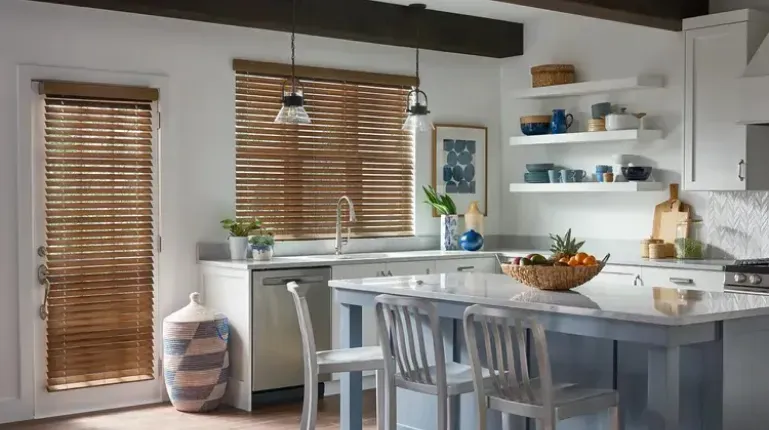
Long-Term Savings: Are Energy-Efficient Blinds Worth It?
Yes, especially in climates with temperature extremes. While upfront investment may vary depending on material and customization, the long-term benefits include:
-
Lower monthly utility bills
-
Reduced HVAC strain
-
Improved indoor comfort
-
Extended lifespan of furniture and flooring
Homes with large windows or older window glass often see the biggest difference.
Custom Blinds vs. Off-the-Shelf Options
Custom blinds typically provide better insulation because they’re measured precisely for your windows. Tight fits reduce air leakage and improve overall energy performance.
If you’re ready to explore options tailored to your home, you can schedule a consultation using Cullen’s Home Center’s request form.
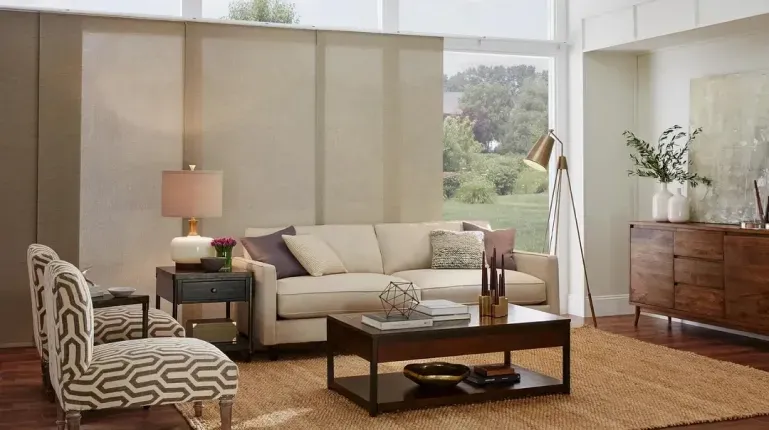
Upgrade Your Windows, Upgrade Your Comfort
Energy-efficient blinds do more than improve aesthetics, they actively contribute to a more comfortable, cost-effective home. Whether you’re managing winter drafts or summer heat, the right window treatments can make a noticeable difference. Browse Cullen’s Home Center’s full selection of custom blinds to find the best fit for your home.
Visit our home store in Alexandria, MN to see what furniture options match your home design needs. Contact us today to learn more.
Related readings from our blog:
FAQs: Energy-Efficient Blinds
Do blinds really reduce energy bills?
Yes. Properly fitted blinds reduce heat transfer, helping your HVAC system run more efficiently.
Which blinds are the most energy-efficient?
Cellular shades are typically the most insulating due to their honeycomb construction.
Are solar shades good for hot rooms?
Yes. They block UV rays and reduce solar heat gain while preserving your view.
Should blinds stay open or closed in winter?
Open them during sunny days for passive heating. Close them at night to retain warmth.
Do custom blinds perform better than ready-made ones?
Custom blinds generally provide a tighter seal, improving insulation and energy efficiency.
Related Articles